Report on the Grant Readiness Workshop for South West CSOs
Overview
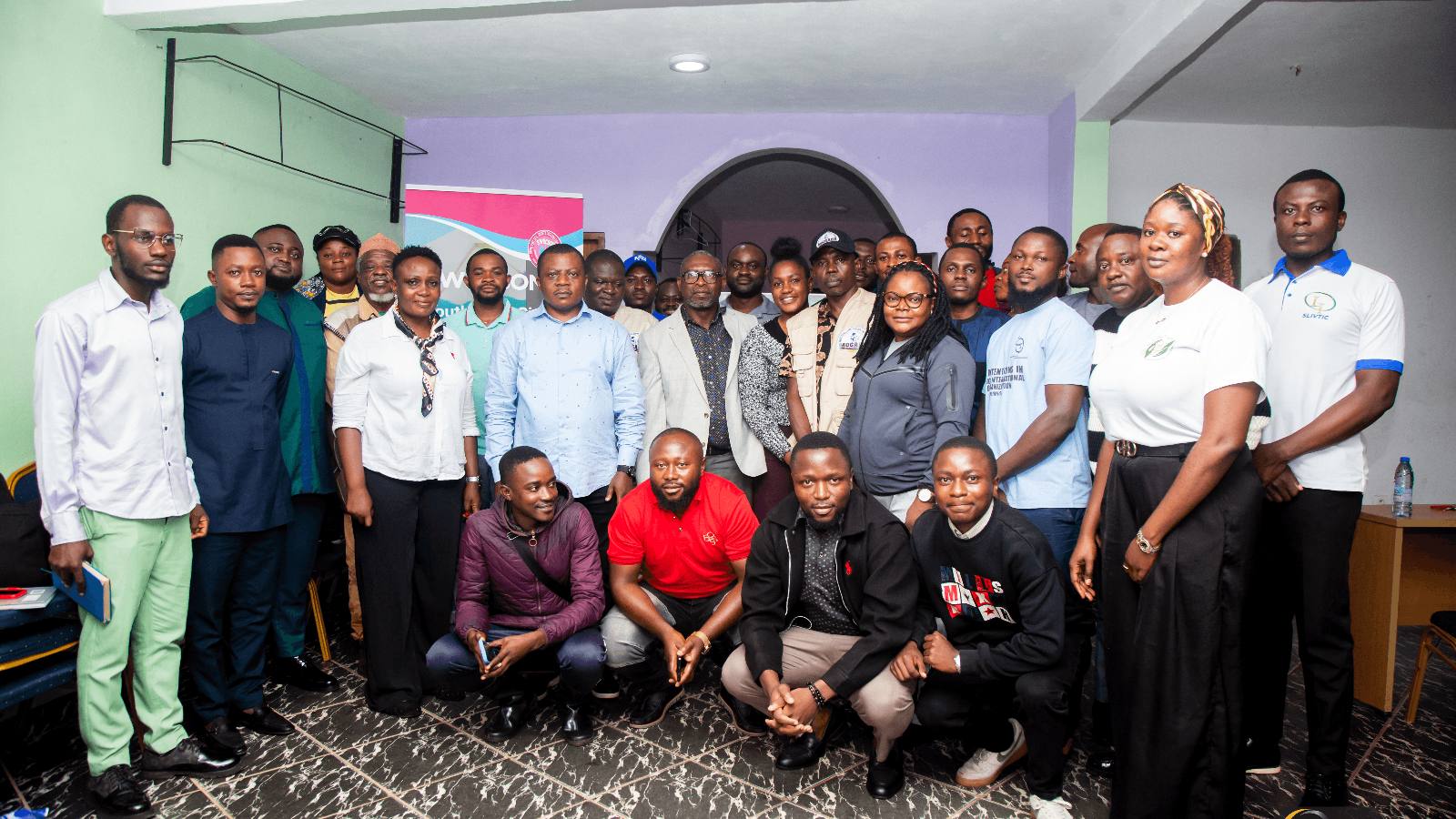
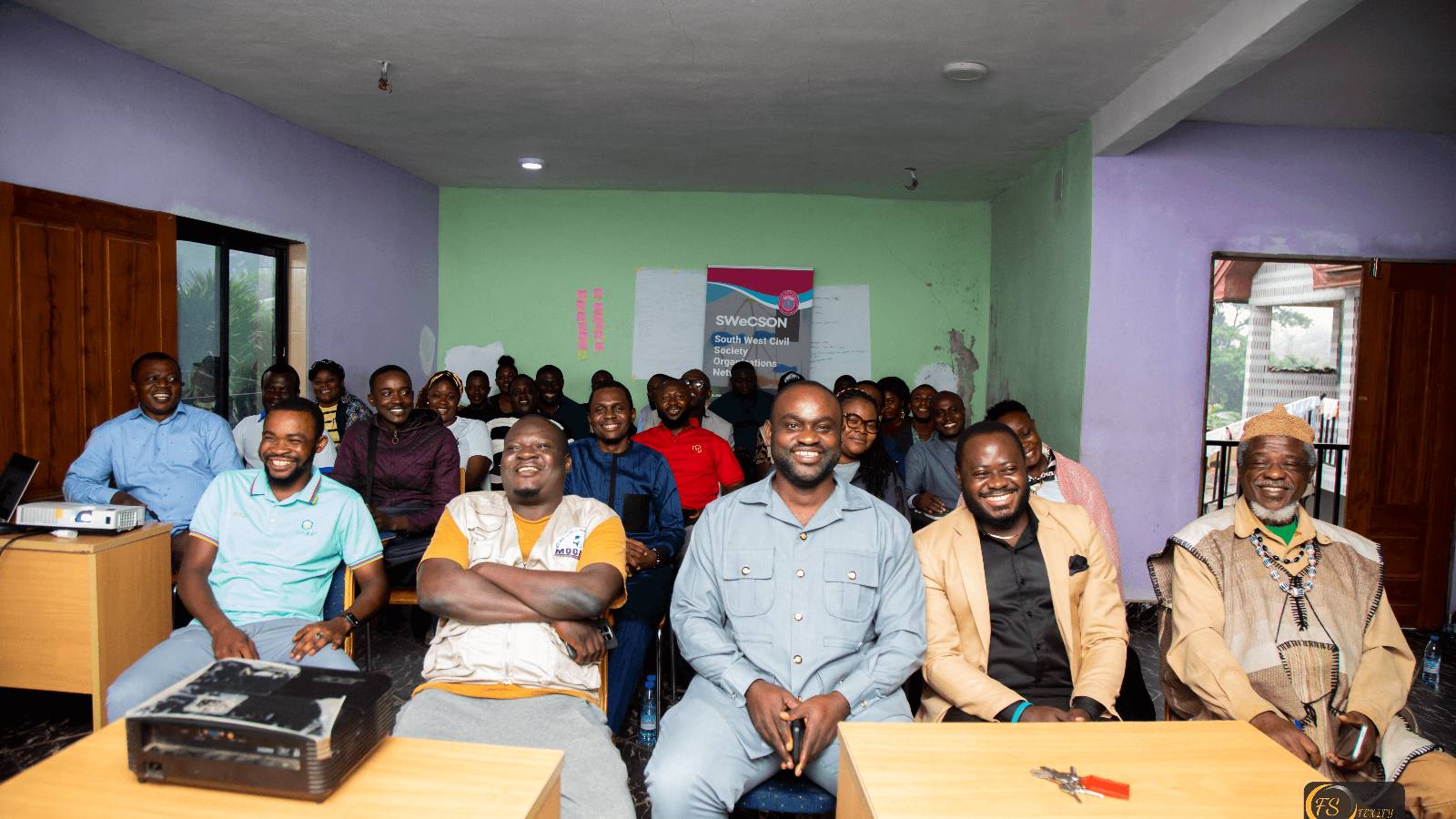
SWECSON hosted its first Grant Readiness Workshop on 8 August 2026, bringing together civil society organisations from across the South West Region for a full day focused on one practical question: what actually makes an organisation ready to compete for, and win, grant funding. The session was facilitated by Mr Ngalle Nelson, and opened and closed by the SWECSON Coordinator, Dr Hilary Ewang Ngide.
How the Day Went
The workshop opened with a prayer, followed by welcome remarks from the Coordinator. Mr Ngalle Nelson then led the main training session, walking participants through what separates an eligible proposal from a competitive one, why proposals get rejected, and what funders actually check before they even read a submission.
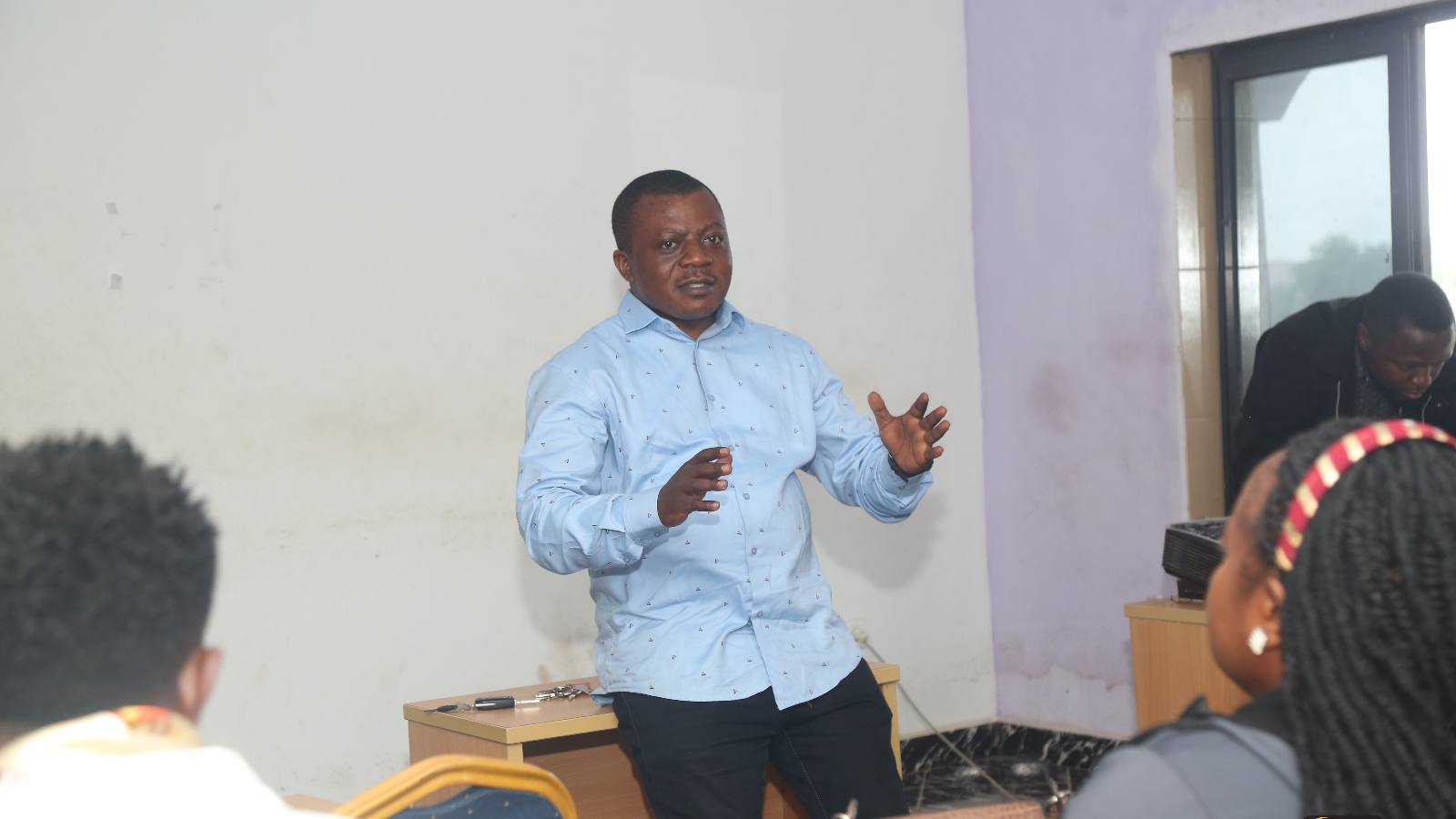
Image: Dr. Hilary Ewang welcoming CSOs to the workshop
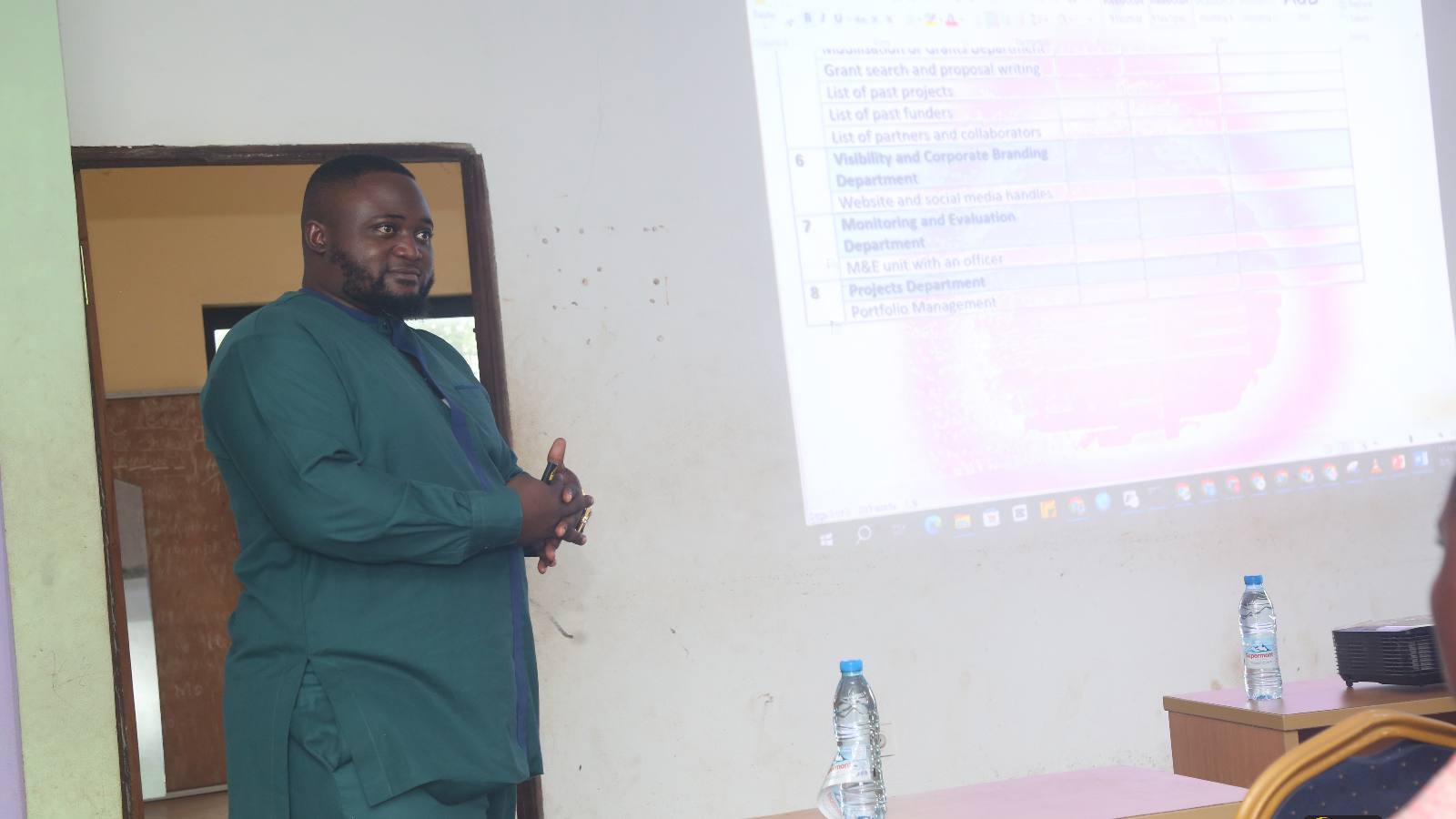
Image: Mr. Ngalle Nelson during his training session.
Midway through, the Assistant Secretary General, Mr. Awejan Emmanuel presented the SWECSON platform itself, what it offers member organisations and how to get the most out of it. The Coordinator closed the session with personal remarks, reminding CSOs why being an active part of the network matters as they build toward funding readiness.
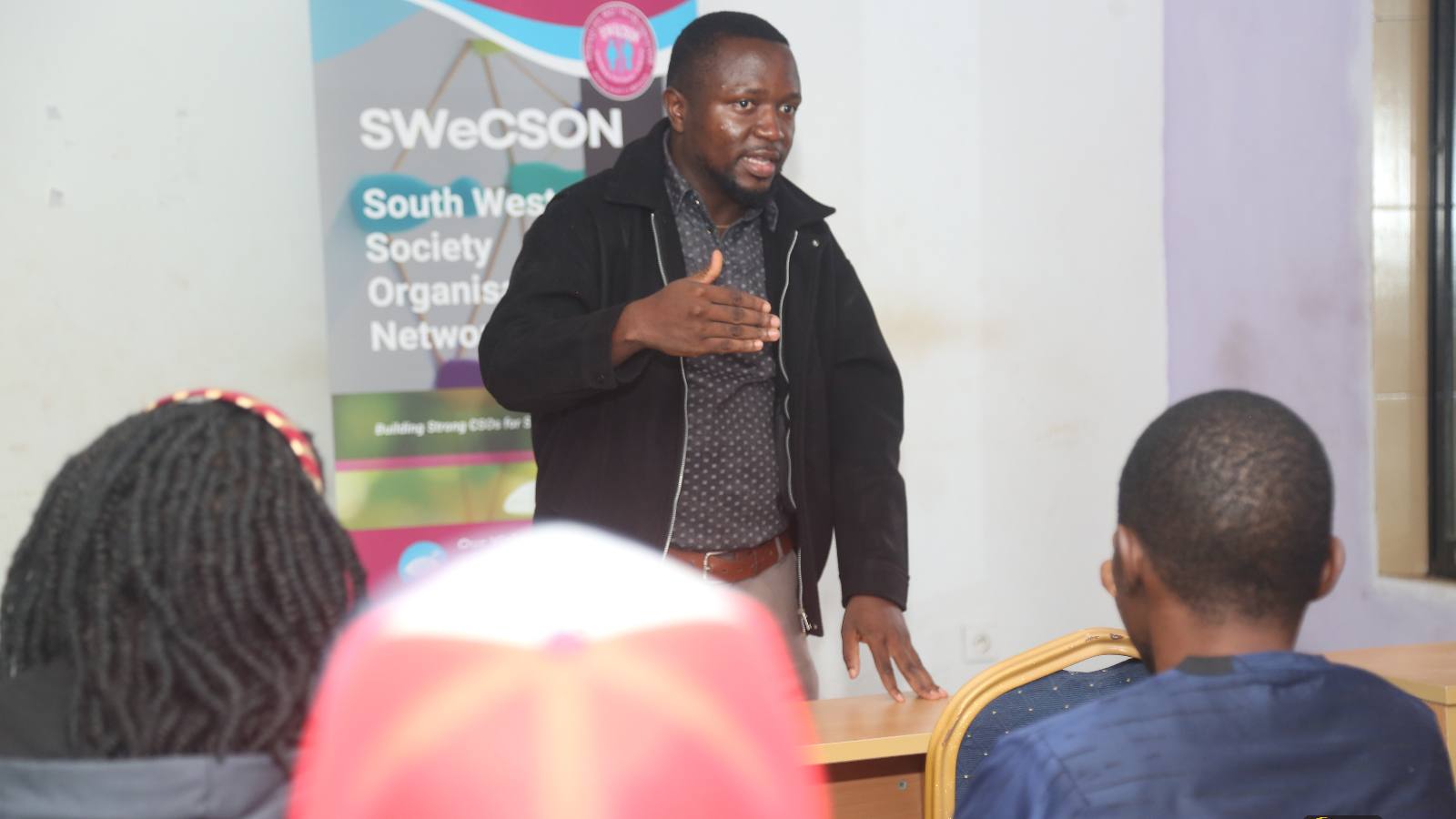
Image: Awejan Emmanuel explaining how to use the SWECSON platform.
Key Lessons from the Training
Eligibility and competitiveness are not the same thing, and organisations need both.
Eligibility gets a proposal read, legal registration, governance structure, financial systems, track record. Competitiveness is what gets it funded, evidence-backed problem statements, a clear theory of change, a strong monitoring and evaluation framework, and a realistic, cost-effective budget. Meeting the minimum requirements is not the same as standing out.
Most rejections happen before anyone reads your narrative.
Funders screen proposals in stages: compliance, technical fit, scoring, then committee review. Vague objectives, weak evidence, scope misalignment, and missing capacity documents are the most common, and most avoidable, reasons proposals get disqualified early. Organisations were encouraged to run their own checks before submitting, rather than waiting for a funder to catch the gaps.
Due diligence looks at the organisation, not just the project.
Separately from the proposal itself, funders assess the organisation's legal standing, financial systems, leadership, and documentation. Having proper records, a legalised constitution, audited accounts, and clear governance in place before a funding opportunity appears is what makes an organisation genuinely ready to apply, rather than scrambling once a call is announced.
Preparation beats urgency.
A recurring point throughout the day: organisations should not wait until they find a funding opportunity to put their house in order. Strategic plans, M&E frameworks, activity logs, and proper financial documentation should already exist, so that when an opportunity comes, the organisation is ready to respond rather than starting from zero.
Resources Shared with the Network
● A Required Documents Checklist, a practical reference listing every document and structure an organisation needs, from founding documents and legalisation to fundraising, communications, and M&E systems.
● An example Strategic Plan (2025–2029), shared as a real, working model organisations can study and adapt when building or refining their own.
● The full training slide deck from the session, covering eligibility, competitiveness, common rejection pitfalls, and practical templates for strategic plans, M&E, activity tracking, annual planning, donor reporting, and budgeting.
These resources will be shared with the SWECSON network so organisations can put the day's lessons into practice.
Closing Note
The turnout and engagement on the day reflected real appetite among South West CSOs to strengthen their funding readiness. SWECSON will continue organising sessions like this, and encourages every member organisation to make full use of the platform and the resources shared, grant readiness is not a one-time event, it is a habit worth building early.